
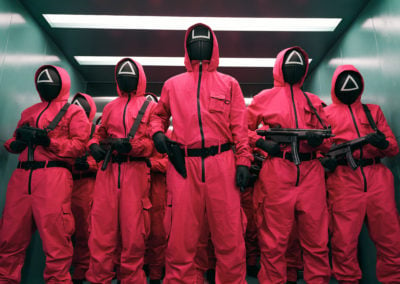
Think Tank Challenge
A structured innovation challenge where teams build a cinematic story from scratch to transform ideas into clear, compelling solutions.

Group Size
8 - 600+

Duration
30 - 60 Mins

Setting
About Think Tank Challenge
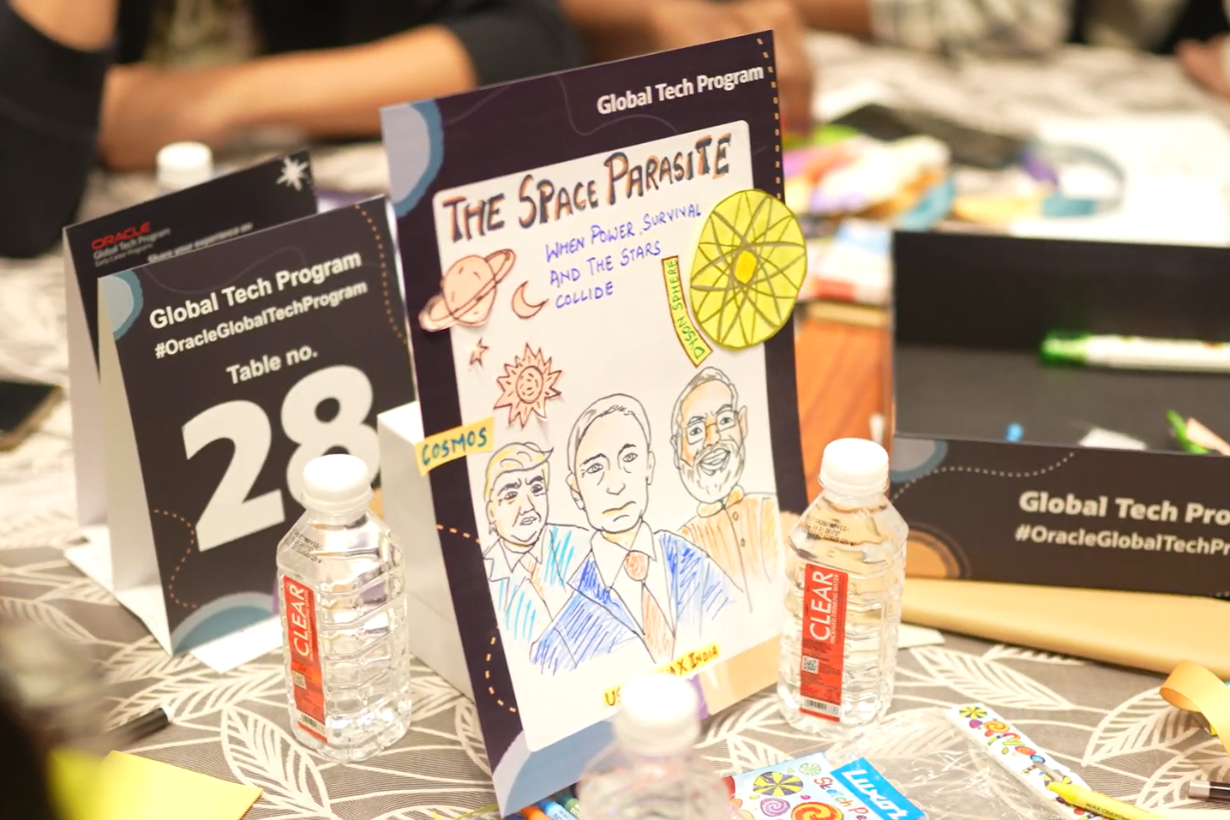
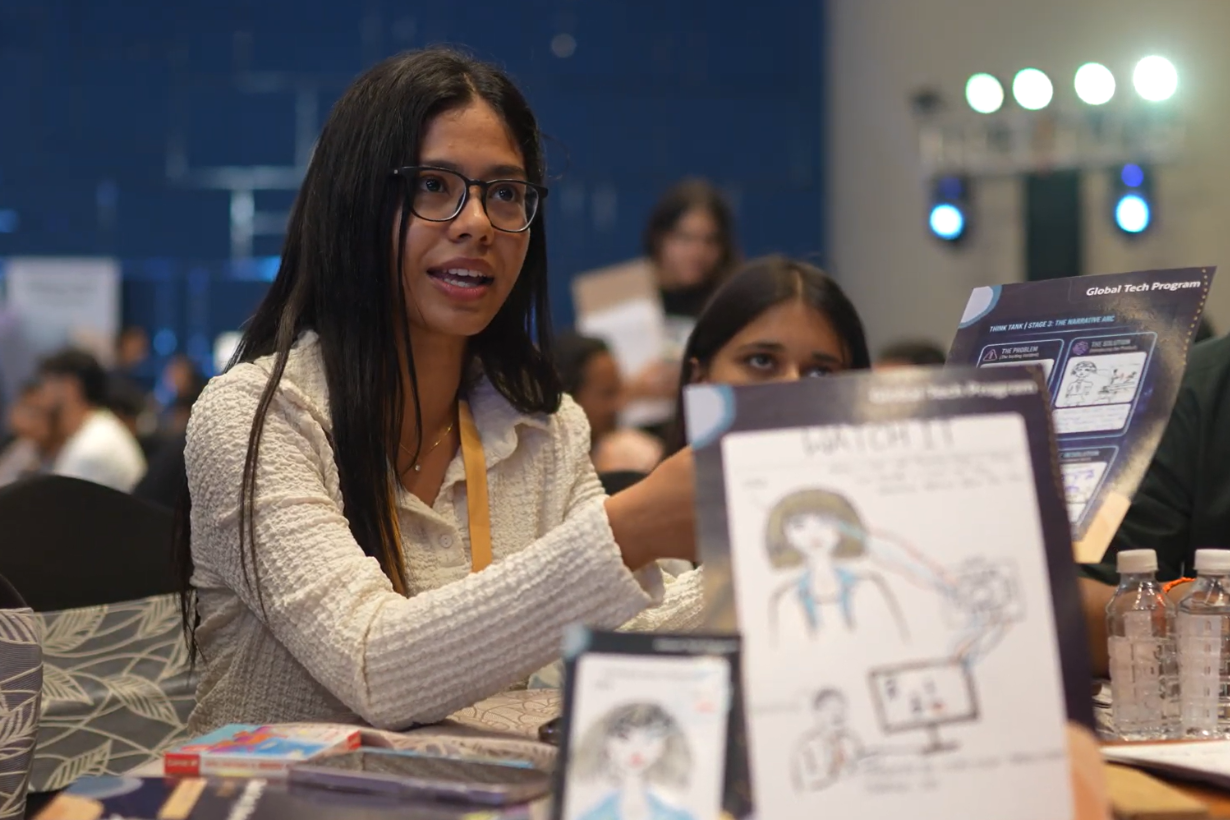
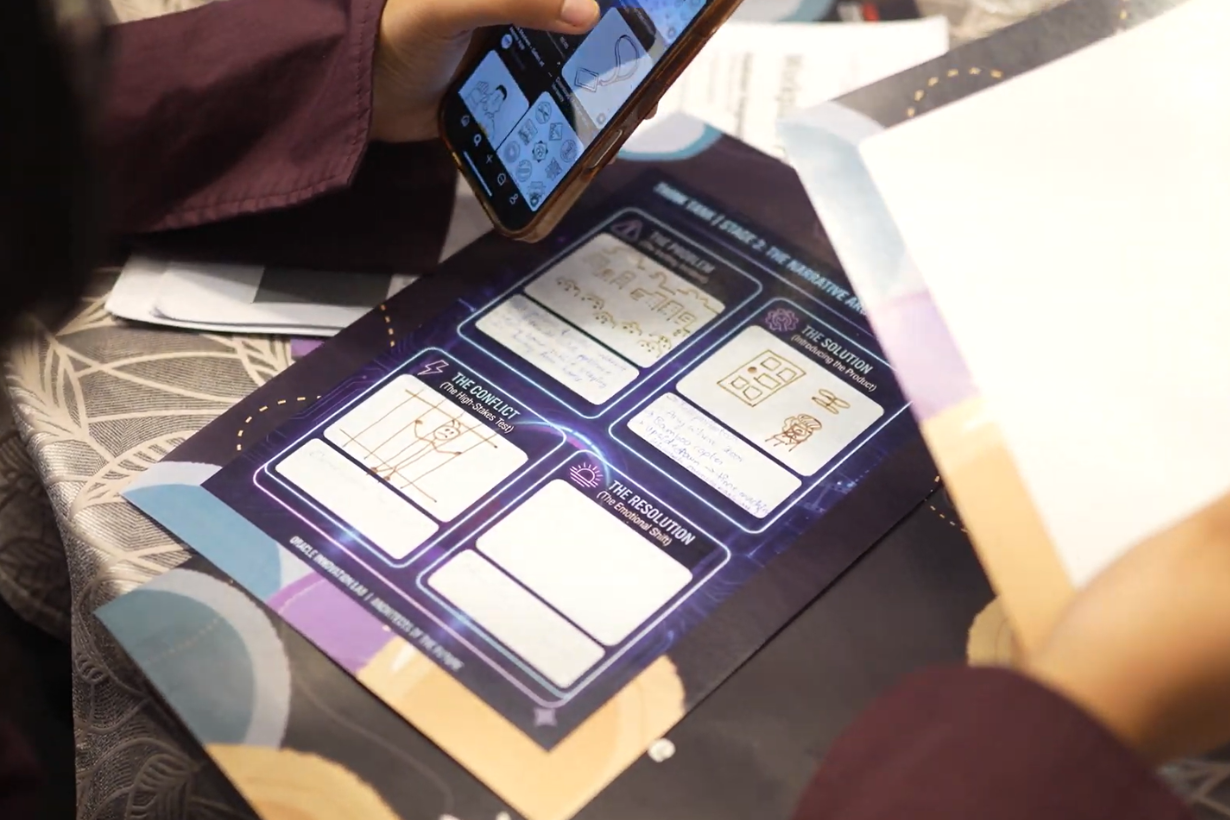
Think Tank Challenge is a collaborative innovation exercise where teams construct a movie narrative from the ground up. Across four progressive rounds, participants develop a central character, define the core conflict, build a structured story arc, and craft a meaningful resolution. The cinematic framework encourages teams to translate abstract ideas into tangible, relatable narratives bridging creativity with structured problem-solving. The activity culminates in teams presenting their “final cut,” integrating insight, empathy, and strategic clarity.
Key Focus Areas
- Creative Confidence
- Empathy-Driven Thinking
- Structured Problem-Solving
- Collaborative Execution
What It Entails
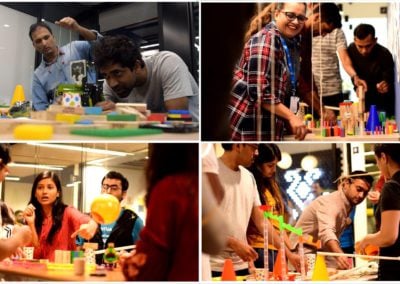
Teams progress through four structured rounds, shaping a character, defining key challenges, and building a clear narrative arc. Along the way, they align perspectives, refine ideas, and make collective decisions under time pressure. The storytelling framework helps simplify complexity and communicate solutions with strategic clarity.
Frequently Asked Questions
What makes Think Tank Challenge different from a regular brainstorming session?
Unlike open-ended brainstorming, this activity uses a cinematic storytelling framework to give structure to ideas. Teams don't just generate thoughts — they build a full narrative arc across four progressive rounds. It's a more disciplined and creative way to arrive at clear, compelling solutions.
How does the four-round format work?
Each round builds on the previous one — teams start by developing a central character, then define the core conflict, construct the story arc, and finally craft a resolution. The progressive structure keeps teams focused and ensures ideas evolve meaningfully rather than going in circles.
Is this suitable for teams that aren't naturally creative?
Absolutely the structured format actually makes it easier for less creatively confident people to participate. The cinematic framework acts as a scaffold, guiding teams step by step so no one feels lost. Creative confidence is a key outcome of the activity, not a prerequisite.
What does the "final cut" presentation involve?
At the end, each team presents their complete movie narrative the character, conflict, arc, and resolution as a cohesive story. It's a chance to communicate ideas with clarity, empathy, and strategic thinking, all wrapped in an engaging format.



Please find our data and privacy policy here.